
Data Science

Program overview

Students conduct real-world data research projects using Python and Jupyter Notebooks, analyzing datasets connected to issues they care about. Through applied, project-based learning, they develop analytical fluency while exploring how data science can drive social impact and inform community-centered solutions. The curriculum introduces core methodologies—including statistical modeling, regression analysis, and Natural Language Processing—while emphasizing ethical data practices. By the end of the course, students present research-backed insights and data-driven recommendations addressing real-world challenges.
Program details

Who is this program for?

This program is designed for students with prior programming experience who are ready to transition into text-based coding. It is ideal for learners interested in the intersection of programming, statistics, and real-world problem-solving.

What will students learn?

Students will design and execute their own data research projects focused on social impact. They will clean and analyze datasets, visualize findings, apply statistical models, and interpret results to generate meaningful insights.

Using Python and Jupyter Notebooks, students will explore real datasets—including education metrics and social media data—while learning to think critically about how data informs policy, community, and decision-making.

What will students learn?

Students will develop foundational skills in:

  • Python programming for data analysis
  • Data cleaning and preprocessing
  • Descriptive statistics and data visualization
  • Regression modeling
  • Classification algorithms
  • Natural Language Processing, including analyzing and vectorizing text data
  • Working with the Pandas library
  • Ethical data use and responsible analysis

By the end of the program, students will understand how data scientists transform raw information into insights that shape communities, businesses, and public policy.

What is the class format?

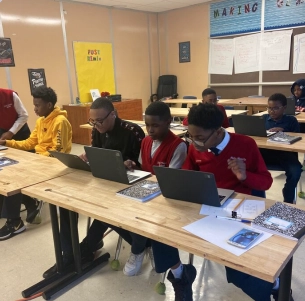
The course is taught through live instruction with an educator, followed by guided project work. Each session balances concept development with hands-on application, allowing students to build their projects with ongoing support.